
Treat Cervical Cancer With Proton Therapy
Cervical cancer most often develops from the human papillomavirus (HPV) transmitted during sexual intercourse. According to the Centers for Disease Control and Prevention, half of sexually active people will have HPV in their lifetime, but it will develop into cervical cancer for a low number of them. In the United States, about 11,500 new cases are diagnosed each year, and about 4,000 women die as a result.
Often, cervical cancer may not appear with symptoms. It develops when abnormal cells transform into cancer. Advanced cervical cancer can be evident with abnormal bleeding or discharge, and it is detected through HPV testing and the Papanicolaou (Pap) test.
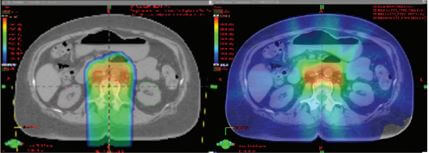
Comparison image – Proton Therapy is on the left, Photon Therapy is on the right
How Is Cervical Cancer Treated?
Cervical cancer is treated with surgery, chemotherapy, radiation therapy, targeted drug therapy and immunotherapy. Women who don’t plan to have children in the future may opt for a total hysterectomy, or the removal of the uterus and cervix. A radical hysterectomy, which additionally includes removal of the pelvic lymph nodes, may be needed if the cancer has spread beyond the uterus. Often, chemotherapy and radiation are included as part of the treatment plan.
When considering radiation, proton therapy is often preferred to treat cervical cancer. Proton therapy applies a concentrated dose of radiation directly to the diseased area, limiting harm to the vital, healthy tissue surrounding it that is often exposed with traditional photon therapy. In addition, side effects are minimized with proton therapy.
The Maryland Proton Treatment Center (MPTC) Uses Proton Therapy to Treat a Variety of Cervical Cancers:
- Squamous cell carcinoma
- Adenocarcinoma
- Mixed carcinomas
- Sarcomas
- Melanomas
- Lymphoma
Benefits of Proton Therapy to Treat Cervical Cancer
Improved Quality of Life
Proton therapy delivers a high dose of radiation to the tumor while minimizing radiation exposure to surrounding healthy tissue. This can help reduce the risk of side effects, such as radiation-induced damage to other organs in the reproductive system that could impact the ability to become pregnant or carry a baby to term in the future.
Enhanced Treatment Effectiveness
Due to the precise nature of proton therapy, a higher dose of radiation is delivered to cancerous cells while minimizing exposure to healthy tissue, which improves the effectiveness of the treatment and increases the likelihood of long-term cancer control. Proton therapy has been shown to be highly effective in treating cervical cancers and sparing nearby critical structures, especially with other concerns such as prior radiation exposure.
Proton therapy offers a promising treatment option for cervical cancer patients, with the potential for improved cancer control and reduced side effects compared to traditional radiation therapy. However, the use of proton therapy may depend on various factors, such as the size and location of the tumor, the patient’s medical history, and their overall health. A multidisciplinary team of medical professionals should evaluate each case to determine the best course of treatment. To see if proton therapy is right for you, schedule a consultation at the Maryland Proton Treatment Center.
Understanding the Proton Therapy Treatment Process
At the Maryland Proton Treatment Center, every cervical cancer treatment plan is customized to your unique diagnosis and health needs. We aim to deliver highly targeted care while supporting your comfort and well-being.
Here’s what you can expect:
Initial Consultation: During your initial consultation, you will meet with our expert team, including a radiation oncologist, to review your medical history and determine if proton therapy is right for you. Our radiation oncologists are trained to deliver radiation in a variety of modalities, which means they can discuss all radiation options to ensure you are comfortable with your care plan. If proton therapy is right for you, our billing department will help find out if your insurance covers proton therapy.
CT Simulation and Treatment Planning: We use advanced imaging to map your tumor and design a precise, personalized plan. These scans help us prepare your body position to ensure accurate proton therapy treatment.
Daily Treatment: Proton therapy begins within two weeks of the simulation. These outpatient sessions are typically 30 minutes, five days a week, with most patients returning to daily activities right after. The length of treatment depends on your specific treatment plan but generally lasts three to eight weeks.
Completion: Upon completing your last treatment, you will ring the bell at the “Ring in Hope” wall, a symbol that closes the door on this chapter of life and opens the door to a healthy future.
Follow-Up and Ongoing Monitoring: Within a month of your final treatment, you will come back for a follow-up visit to track your progress. Following that, imaging and regular check-ins help us further track your progress and make any needed adjustments.